
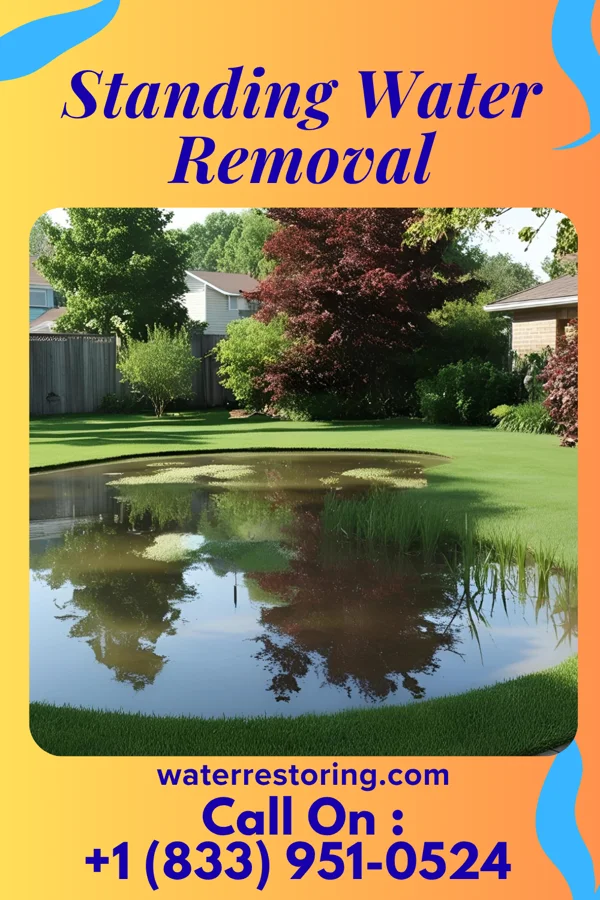
Standing Water Across Union Gap Neighborhoods
Every neighborhood in Union Gap has a different water damage risk profile. The one that shows up on most restoration calls is In Union Gap, Washington, water damage often stems from agricultural runoff and irrigation systems, particularly during the spring thaw and heavy rainfall seasons. Additionally, the region's proximity to Yakima and its rural setting increases the risk of water intrusion from nearby creeks and irrigation ditches.. A close second is Secondary causes include plumbing failures in older homes, burst pipes during temperature fluctuations, and flooding from nearby agricultural fields. The rural infrastructure can also lead to delayed emergency responses, exacerbating water damage..
Union Gap experiences a semi-arid climate with dry summers and wet winters, making it prone to seasonal flooding and water accumulation. The region's agricultural activities further increase the likelihood of water-related incidents.
Water damage in Union Gap follows a few local patterns. In Union Gap, Washington, water damage often stems from agricultural runoff and irrigation systems, particularly during the spring thaw and heavy rainfall seasons. Additionally, the region's proximity to Yakima and its rural setting increases the risk of water intrusion from nearby creeks and irrigation ditches. accounts for the bulk of our calls. Union Gap experiences a semi-arid climate with dry summers and wet winters, making it prone to seasonal flooding and water accumulation. The region's agricultural activities further increase the likelihood of water-related incidents. Mold growth in Union Gap can occur quickly due to the region's humidity and temperature variations, especially after heavy rainfall. Prompt water damage restoration is critical to prevent mold spread and structural damage.